

Your Essential Buying Guide for 3 Phase Brushless DC Motors
Three-phase brushless DC motors (BLDC) are a staple in the landscape of motion control and automation, admired for their efficiency, reliability, and versatility. As demand grows in various industries, engineers and OEMs alike are tasked with making educated decisions regarding their motor selections. This guide serves to illuminate the key features, advantages, and considerations surrounding the purchase of a 3 phase brushless DC motor, equipping you with the knowledge necessary to optimize your project needs.
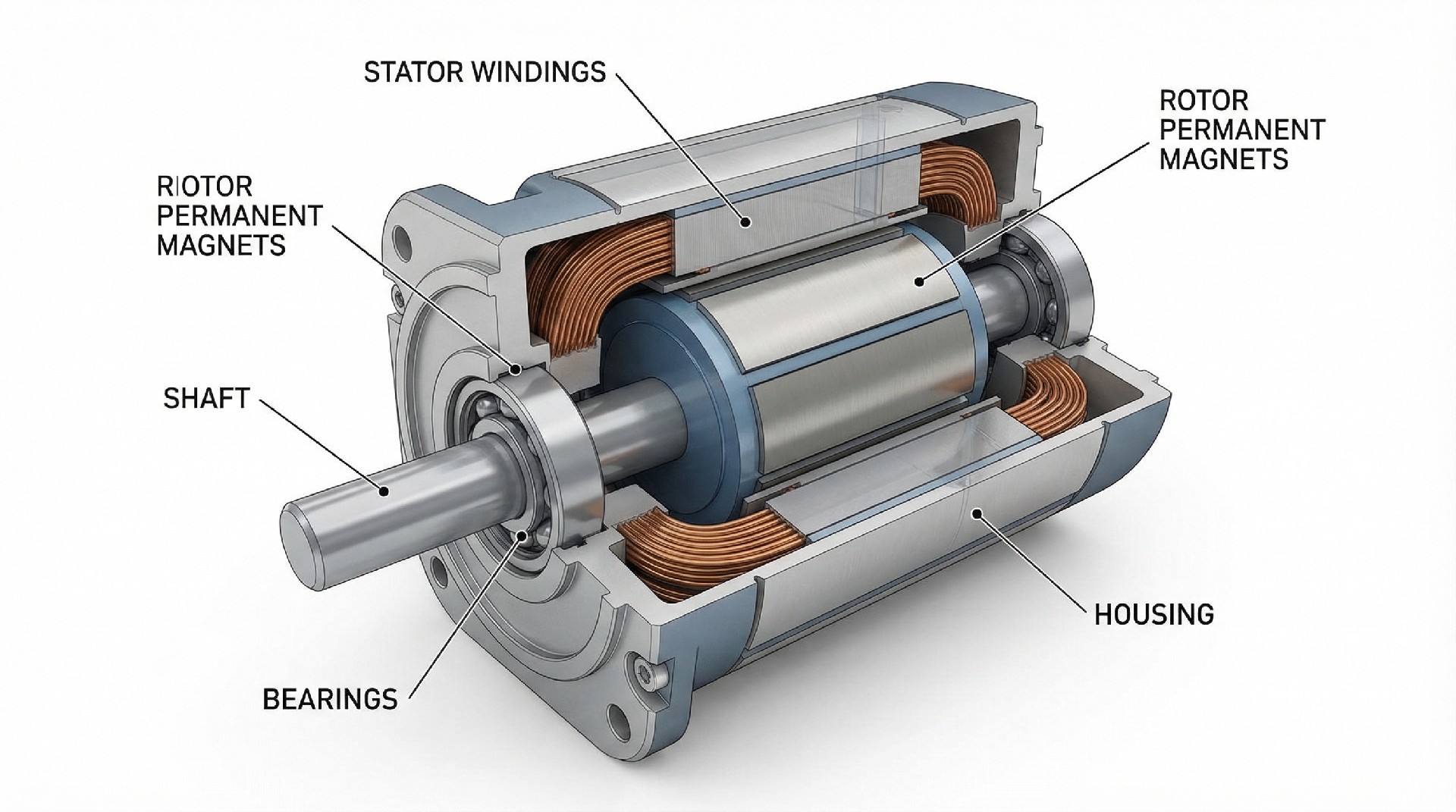
Understanding 3 Phase Brushless DC Motors
A three-phase brushless DC motor operates using three separate windings, powered in a sequence to create a rotating magnetic field. This design leads to greater efficiency and control. In contrast to traditional brushed motors, BLDC motors exhibit less friction, reduced maintenance needs, and extended lifespan.
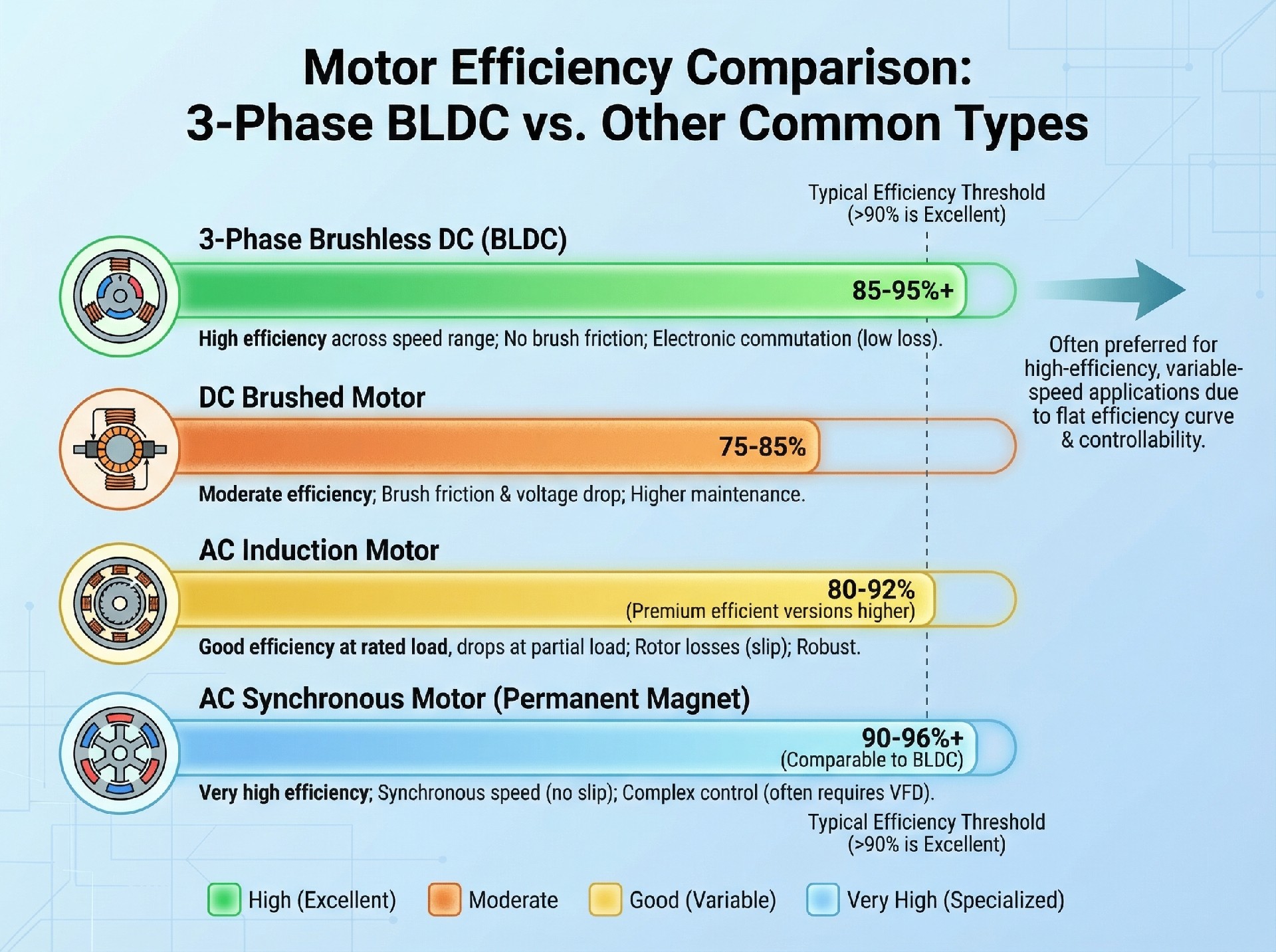
Advantages of Three-Phase Brushless DC Motors
Efficiency: With less energy loss to heat compared to brushed variants, three-phase motors are favored in energy-sensitive applications.
Higher Torque: These motors can achieve higher torque levels in smaller packages, making them suitable for compact spaces where high output is needed.
Low Maintenance: The absence of brushes significantly reduces wear and the need for maintenance, allowing for longer operational periods.
Versatile Control: Support for a variety of control strategies enhances versatility in applications, paving the way for sophisticated motion control solutions.
For more insights into BLDC basics, check out our introduction to brushless DC motors and their working principles.
Technical Specifications to Consider
When selecting a 3 phase brushless DC motor, you should consider the following technical specifications:
Voltage Rating: Ensure compatibility with your power supply.
Size and Weight: Assess space requirements within your machinery.
Speed and Torque Ratings: Evaluate operational demands; specify speed torque curves if available.
Control Compatibility: Consider how the motor interfaces with your existing control systems.
Here’s a quick specification table to assist your selection process:
| Specification | Description |
|---|---|
| Voltage | V1 - V2 (e.g., 12V to 48V) |
| Torque | Nm (e.g., 0.5 to 5 Nm) |
| Speed | RPM (e.g., 2000 to 6000 RPM) |
| Size | Dimensions in mm (e.g., 80mm x 80mm) |
Applications of 3 Phase Brushless DC Motors
Brushless DC motors have revolutionized many industries by enabling a range of applications, including:
Robotics: High precision and responsiveness are essential in robotic arms and automated processes.
Electric Vehicles: Efficiency and low weight are pivotal in automotive applications.
HVAC systems: For fan and pump operations in heating and cooling systems.
For detailed application scenarios with BLDC, view our article on robotic applications.
Comparing Brushless and Other Motor Types
A comparison of three-phase brushless DC motors versus other common motor types can provide clarity in decision-making:
| Type | Efficiency | Maintenance | Torque | Control Opportunities |
|---|---|---|---|---|
| 3 Phase Brushless | High | Low | High | Versatile |
| Single Phase | Moderate | Moderate | Low | Limited |
| Stepper Motor | Moderate | High | Varied | Step-based |
This table illustrates the diverse characteristics and helps identify the best fit for your needs. For those interested in a more granular comparison, visit our comparison article on stepper motors and servo motors.
Buying Considerations
When purchasing 3 phase brushless DC motors, consider:
Supplier Reputation: Research manufacturer backgrounds and product reviews.
Warranty and Support: Ensure you receive adequate support post-purchase, including warranties.
Regulatory Compliance: Confirm that the motors meet necessary industry standards and regulations.
Pricing: Investigate pricing options against budget constraints while ensuring quality.
For direct purchasing information, check our comprehensive selection of brushless DC motors.
Conclusion
3 phase brushless DC motors present an impressive opportunity for industries seeking enhanced efficiency and performance in their applications. By understanding key specifications, advantages, and informed purchasing considerations, engineers and OEMs can make the best choices to meet their operational needs. HDBMotor remains committed to providing high-quality motion control solutions tailored to your industrial requirements.
Frequently Asked Questions
Question 1
What are the main benefits of using a 3 phase brushless DC motor compared to other motor types?
Three-phase brushless DC motors are known for their efficiency, high torque output, low maintenance requirements, and advanced control capabilities, making them superior to many other motor types in various applications.
Question 2
How do I select the correct size of a brushless motor for my application?
Consider the required torque, speed, voltage specifications, and physical dimensions when selecting a brushless motor. Detailed sizing guides and calculation methods can be helpful, such as in our motor sizing guide.
Question 3
Can three-phase brushless motors be used in renewable energy applications?
Yes, three-phase brushless motors are commonly used in renewable energy systems like wind turbines and solar trackers due to their efficiency and reliability.
Question 4
What types of control methods are available for brushless DC motors?
Various control methods include vector control, PWM (Pulse Width Modulation), and trapezoidal control. Understanding your application requirements will help determine the best method to use.
Question 5
What is the expected lifespan of a 3 phase brushless DC motor?
Due to their lack of brushes and reduced mechanical wear, these motors can have lifespans of 10,000 hours or more, depending on usage conditions and quality.
Question 6
Are there specific installation requirements for three-phase brushless motors?
Yes, adherence to proper electrical and thermal management practices, as well as correct mounting configurations, is essential for optimal performance.
Question 7
Can I integrate a three-phase brushless DC motor into an existing system?
Integration is possible but may require consideration of control compatibility, power supply adjustments, and physical space accommodations to ensure the system operates cohesively.