

Choosing the right stepper motor factory is one of the most critical decisions for OEM buyers and automation engineers. A poor supplier can lead to inconsistent performance, delayed production schedules, and long-term system failures.
On the other hand, a reliable factory provides not just motors, but complete motion solutions, including engineering support, customization, and quality assurance.
This guide explains how to evaluate a stepper motor manufacturer from a technical and commercial perspective—so you can confidently select a long-term partner.
What Is a Stepper Motor Factory?
A stepper motor factory is a manufacturing facility that designs, produces, and tests stepper motors in-house.
Unlike trading companies, a real factory controls motor design, stator and rotor production, coil winding, assembly, and performance validation. This ensures consistent quality and customization flexibility.
Factories typically offer a wide range of open-loop stepper motor solutions, widely used in cost-sensitive positioning systems. You can explore typical configurations here: open-loop stepper motor solutions.
For buyers, the difference is simple: factory equals engineering control, while a supplier focuses on sourcing and resale.
Why Businesses Choose Stepper Motors
Stepper motors remain essential in modern automation because of their precision and simplicity.
Key advantages include accurate positioning without feedback, high torque at low speeds, easy pulse-based control, and lower cost compared to servo systems.
In applications requiring higher efficiency or quieter operation, engineers may also evaluate brushless DC motor technology as an alternative.
| Industry | Application |
|---|---|
| Automation | Assembly lines, pick & place |
| CNC | Axis positioning |
| Medical | Precision dosing systems |
| Robotics | Joint and motion control |
| 3D Printing | Extrusion and movement |
What a Good Stepper Motor Factory Should Offer
A top stepper motor factory must provide more than production—it must deliver consistency, customization, and engineering value.
Stable Production Capacity
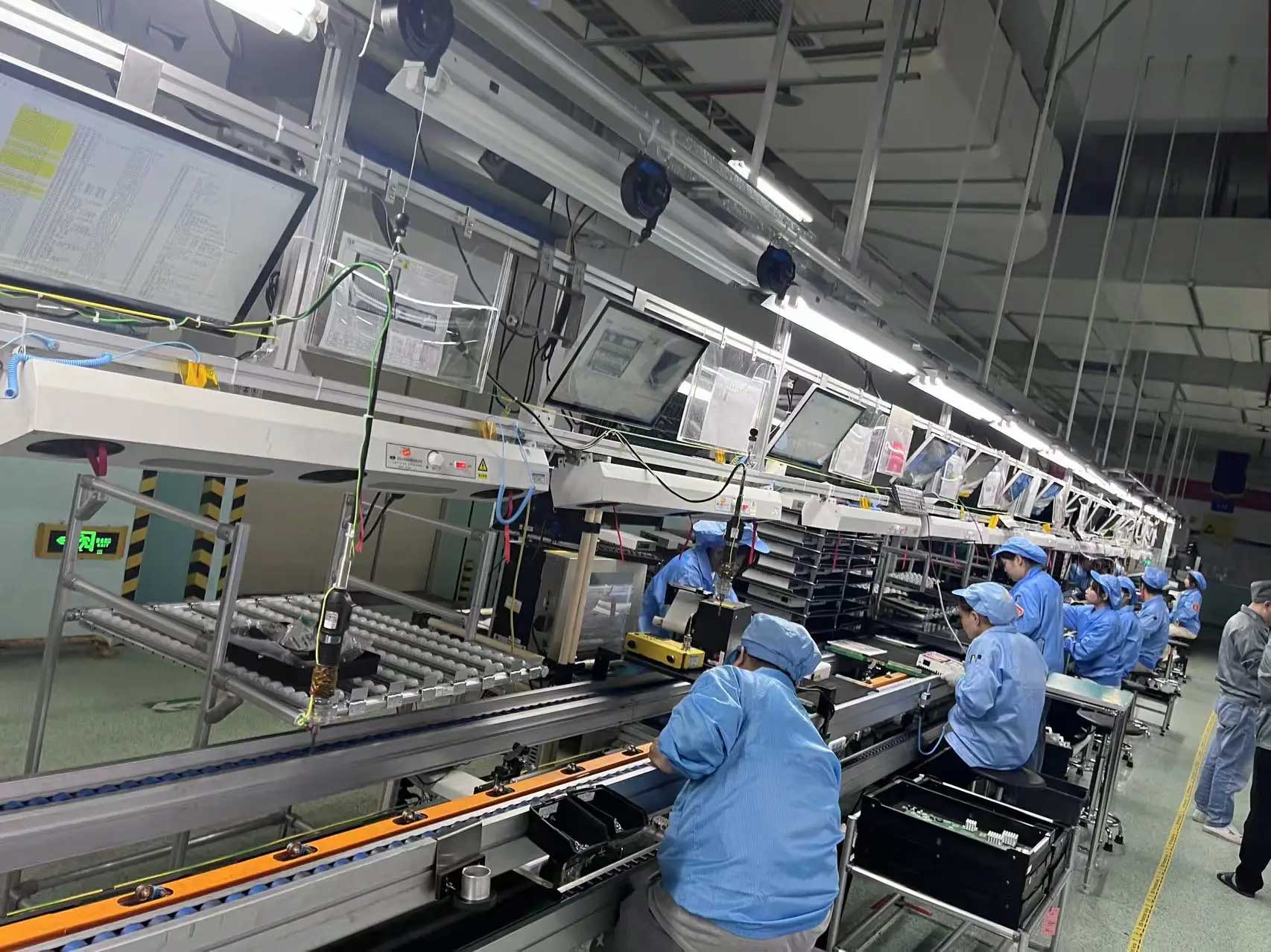
A reliable factory supports scalable production, from prototype to mass manufacturing, with automated lines and predictable delivery schedules.
Quality Control System
Professional factories implement strict quality systems including material inspection, coil testing, noise analysis, and durability testing.
Custom Stepper Motor Capabilities
Customization is essential for OEM projects. Factories should support shaft modifications, connectors, encoders, and gearbox integration. For compact high-torque designs, many applications rely on planetary gearbox integration.
Engineering and Technical Support
Factories should provide load calculations, motor sizing, and driver matching. For deeper insights, refer to motor selection parameter guide.
Certifications and Export Experience
Global customers require compliance certifications, stable logistics, and complete documentation support.
Stepper Motor Production Process in a Factory
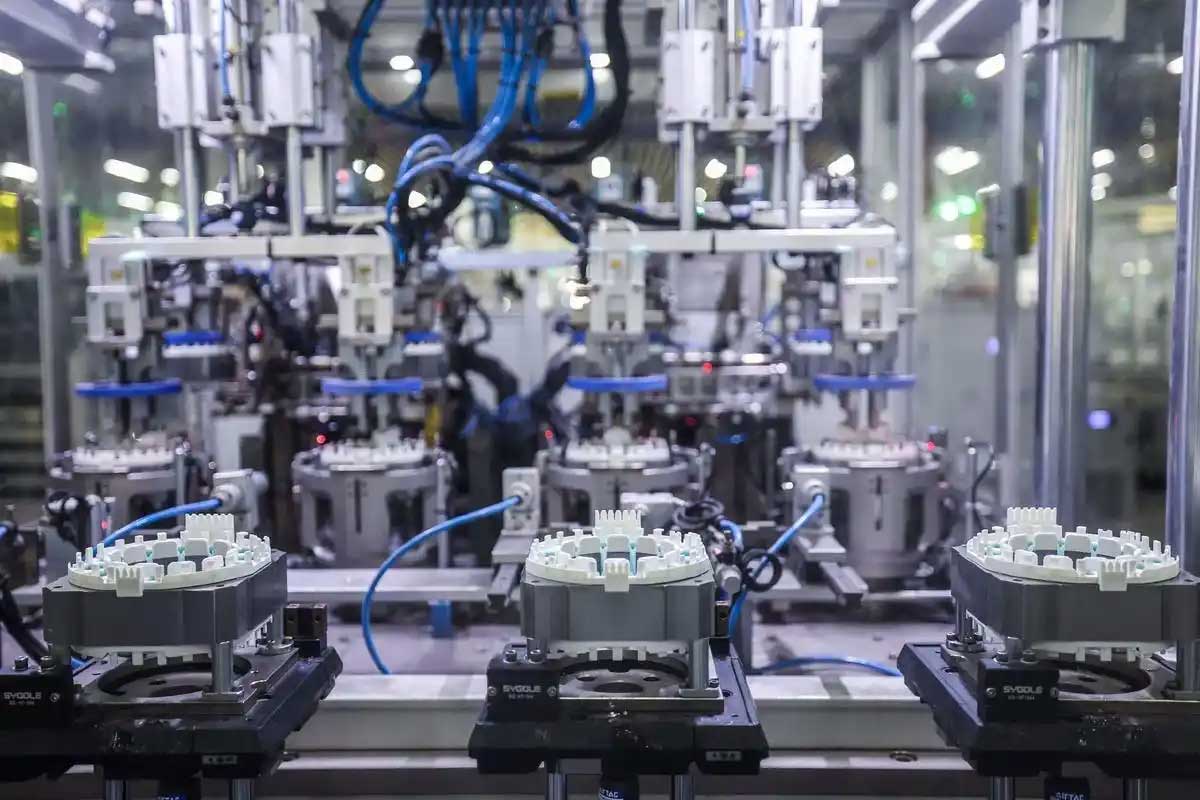
A real factory follows a structured manufacturing workflow to ensure performance consistency.
The process includes stator and rotor machining, coil winding, magnet insertion, assembly, electrical testing, performance validation, and packaging.
Each step directly impacts torque stability and noise levels. Control methods also matter. Learn more about stepper motor control methods.
Common Types of Stepper Motors Produced by Factories
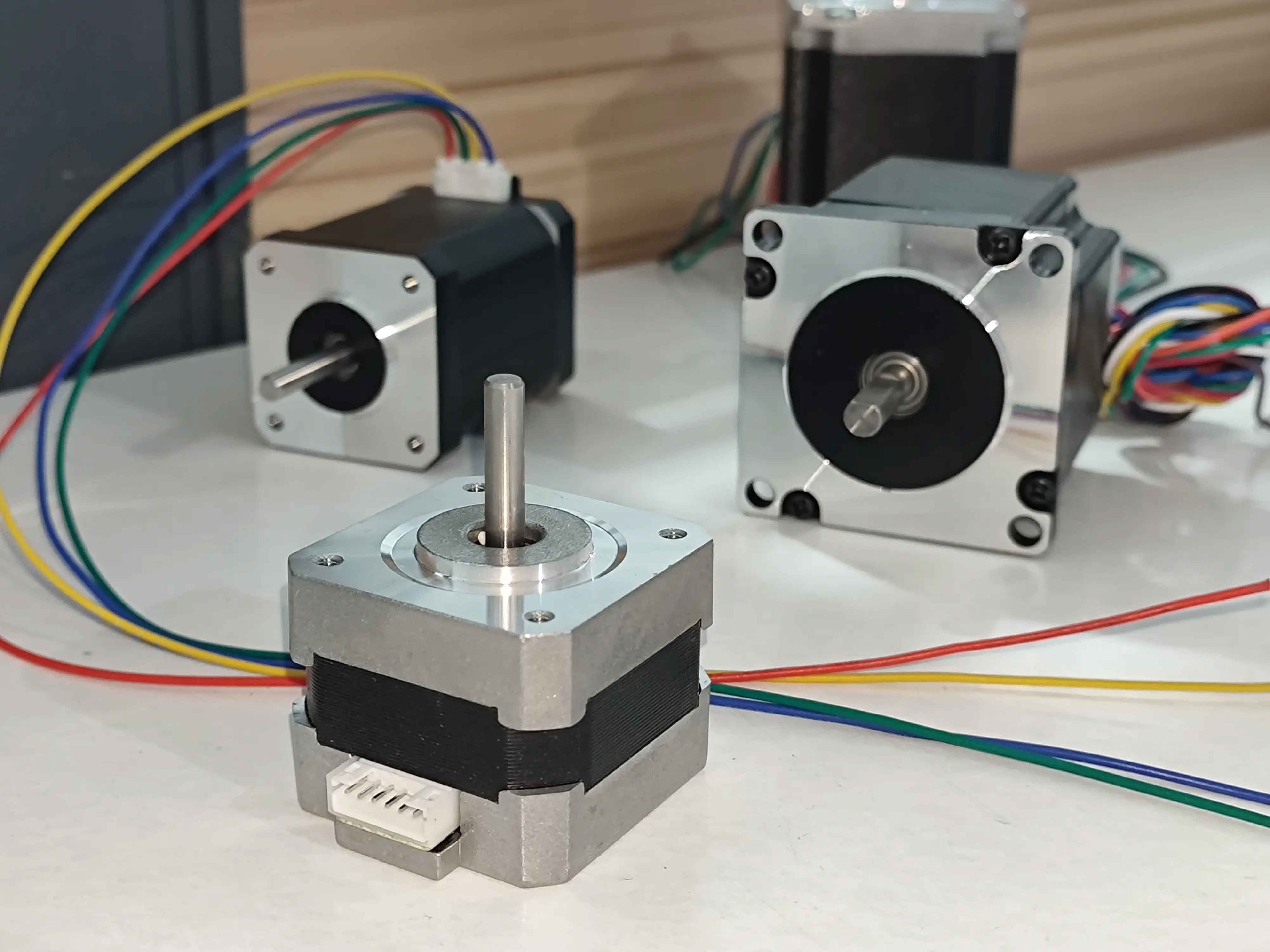
| Type | Precision | Cost | Use Case |
|---|---|---|---|
| Hybrid Stepper | High | Medium | CNC, robotics |
| Permanent Magnet | Medium | Low | Consumer devices |
| Closed-loop Stepper | Very High | High | Automation systems |
| Linear Stepper | High | Medium | Medical systems |
For higher precision requirements, closed-loop systems are often compared with servo motors. See stepper vs servo comparison guide.
Typical Applications of Stepper Motors
Stepper motors are widely used across industries due to their flexibility and reliability.
Applications include 3D printers, CNC machines, packaging systems, medical equipment, robotics, and textile machinery.
For torque enhancement, many systems integrate gearboxes. Learn more about gearbox-enhanced stepper applications.
Why Choose HDBMotor as Your Stepper Motor Factory Partner
HDBMotor is a professional stepper motor factory with over 20 years of experience in motion control.
Key strengths include strong R&D capability, full product ecosystem (stepper motors, BLDC motors, drivers, gearboxes), and OEM/ODM customization support.
The company focuses on delivering precision micro motor solutions for global automation customers.
How to Evaluate a Stepper Motor Factory Before Ordering
Before selecting a supplier, use the following checklist:
Verify real production lines
Request datasheets and test reports
Confirm sample support
Evaluate engineering communication
Check lead time stability
| Criteria | Factory | Trader |
|---|---|---|
| Production Control | Full | None |
| Customization | High | Limited |
| Engineering Support | Strong | Weak |
| Lead Time | Stable | Unpredictable |
CTA: Start Your Stepper Motor Project Today
Looking for a reliable stepper motor factory?
HDBMotor offers free engineering consultation, custom motor design, fast sampling, and stable mass production.
Contact our team today to start your project.
Frequently Asked Questions
What is the difference between a stepper motor factory and a supplier?
A factory produces motors in-house, while a supplier typically resells products without manufacturing control.
Can stepper motors be customized?
Yes. Factories can customize shafts, cables, connectors, and integrate gearboxes or encoders.
What is the typical lead time?
Standard motors take 1–3 weeks, while custom designs may take 3–6 weeks.
How do I choose the right stepper motor?
You need to evaluate torque, speed, load conditions, and control requirements.
Are stepper motors suitable for automation?
Yes. They are widely used in automation systems due to their precision and reliability.
Conclusion
A reliable stepper motor factory is more than a supplier—it is a long-term engineering partner.
By evaluating production capability, quality systems, and customization support, you can reduce risks and improve system performance.
HDBMotor represents a modern manufacturing partner combining engineering expertise with stable production to support global automation projects.