

Introduction
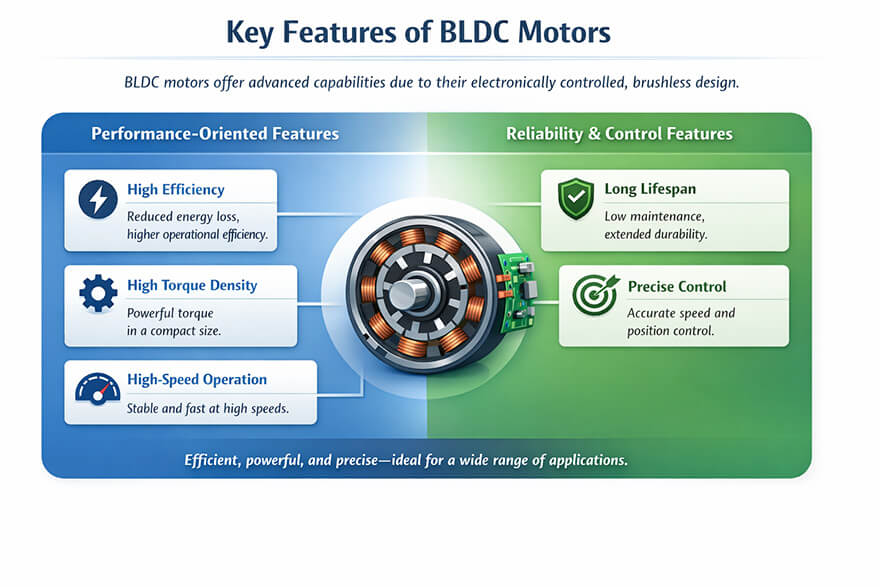
Motors brushless DC (BLDC motors) have become the backbone of modern automation, robotics, and precision control systems. Their superior efficiency, long lifespan, and high-speed performance make them a preferred choice for engineers and OEM buyers.
Unlike traditional brushed motors, BLDC motors eliminate mechanical commutation, replacing it with electronic control. This results in lower maintenance, higher reliability, and better performance under demanding conditions.
If you are evaluating suppliers or selecting motors for your next project, understanding the technical aspects and application fit is critical. This guide provides a complete engineering-focused breakdown to help you make the right purchasing decision.
For a deeper technical foundation, you can also explore our brushless DC motor working principles guide.
What Are Motors Brushless DC?
Brushless DC motors are electronically commutated motors that use permanent magnets and a controller instead of brushes. The controller directs current through stator windings, creating a rotating magnetic field that drives the rotor.
This design eliminates friction caused by brushes, significantly improving durability and efficiency.
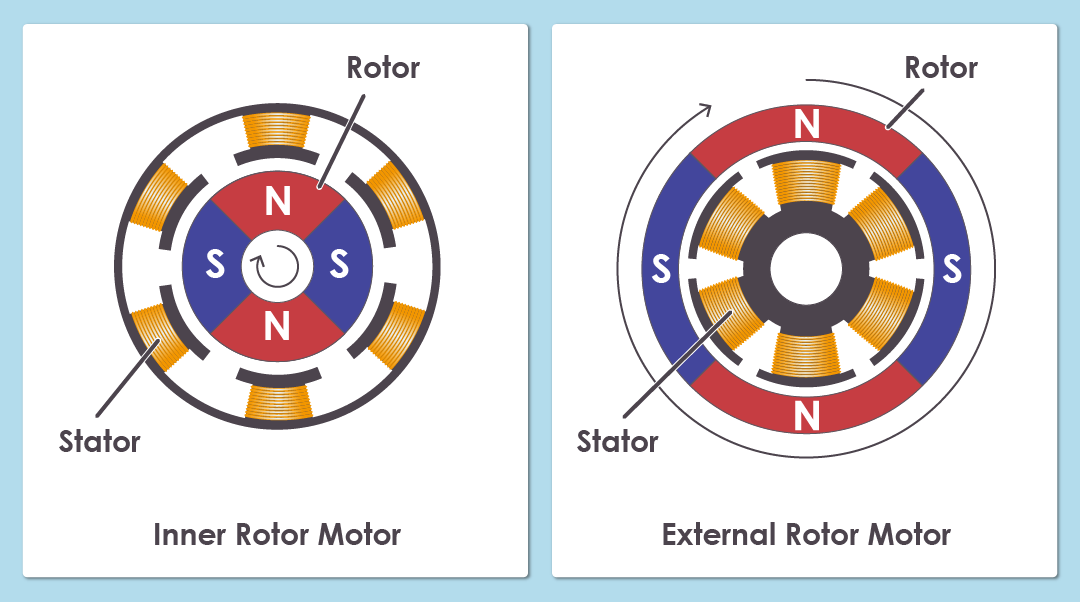
Schematic Control Diagram of a BLDC Motor
Key characteristics:
High efficiency (typically 85–95%)
Low noise operation
Long service life
High speed capability
Precise control with feedback systems
Compared to traditional motors, BLDC systems require motor drivers for operation. These drivers control speed, torque, and direction electronically, making them ideal for automation systems.
For engineers designing motion systems, understanding control integration is equally important as motor selection.
Key Advantages of Brushless DC Motors
Brushless DC motors offer several advantages that directly impact system performance and operational cost.
1. High Energy Efficiency
BLDC motors minimize energy loss due to the absence of brushes. This makes them ideal for battery-powered and energy-sensitive applications.
For high-efficiency industrial solutions, explore our brushless DC motor product range.
2. Low Maintenance
No brushes mean no wear components, reducing downtime and maintenance costs.
3. High Speed and Dynamic Response
BLDC motors can operate at very high speeds with excellent acceleration characteristics.
4. Quiet Operation
The absence of mechanical commutation results in low noise, which is critical for medical and service robots.
5. Compact Design with High Power Density
They deliver more power per unit size compared to traditional motors.
Brushless DC vs Stepper vs Servo Motors
Choosing the right motor type depends on your application requirements. Below is a comparison table:
| Feature | BLDC Motor | Stepper Motor | Servo Motor |
Control Type | Closed-loop (with controller) | Open-loop | Closed-loop |
Efficiency | High | Medium | High |
Precision | High (with encoder) | Very high | Very high |
Speed Range | Very high | Low to medium | Wide |
Cost | Moderate | Low | High |
For positioning applications where open-loop control is sufficient, consider open-loop stepper motor solutions.
For a deeper engineering comparison, see our motor selection comparison guide.
Key Specifications to Evaluate Before Buying
Selecting the right BLDC motor requires understanding several critical parameters:
Torque and Speed
Torque defines the motor’s ability to handle load, while speed determines operational performance.
Voltage and Current Ratings
Ensure compatibility with your power supply and driver system.
Efficiency and Thermal Performance
Higher efficiency reduces heat generation and improves system longevity.
Control Method
BLDC motors require controllers—sensorless or sensored depending on precision requirements.
Environmental Conditions
Consider IP rating, temperature range, and operating environment.
For detailed parameter selection, refer to our engineering parameter selection guide.
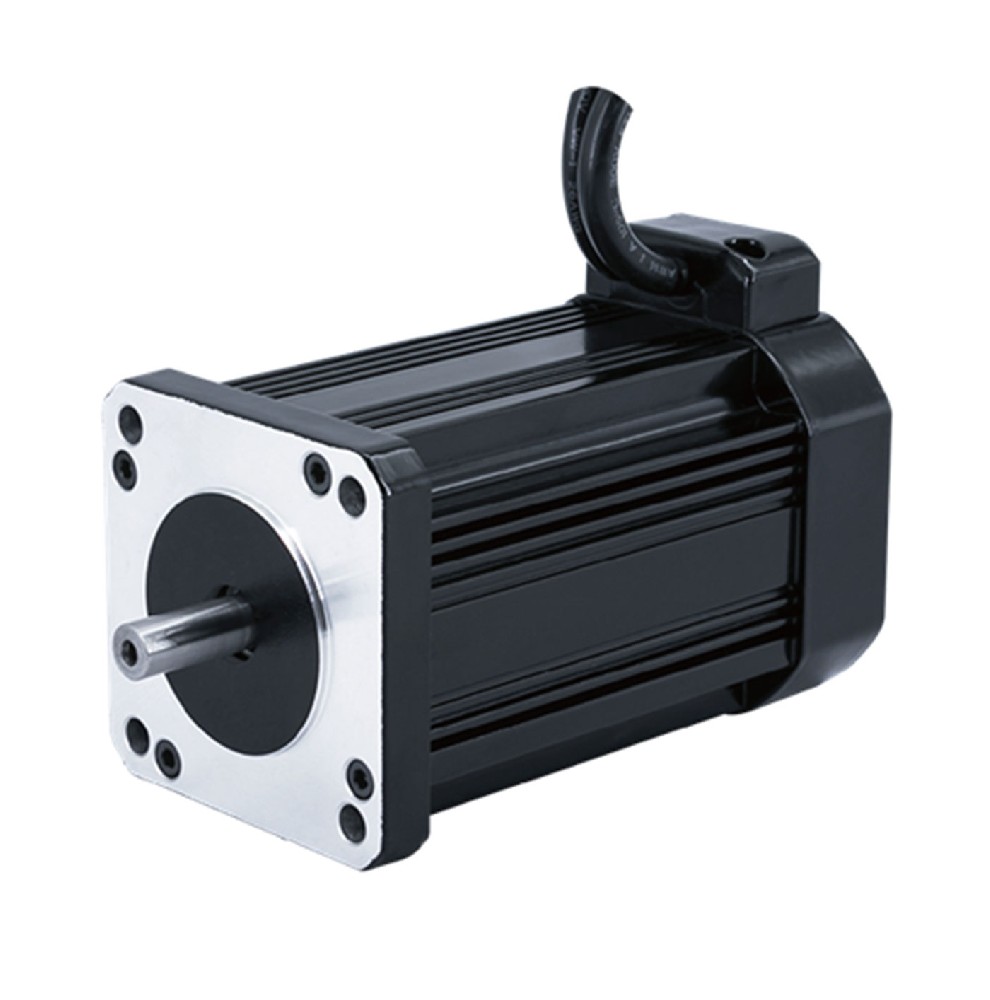
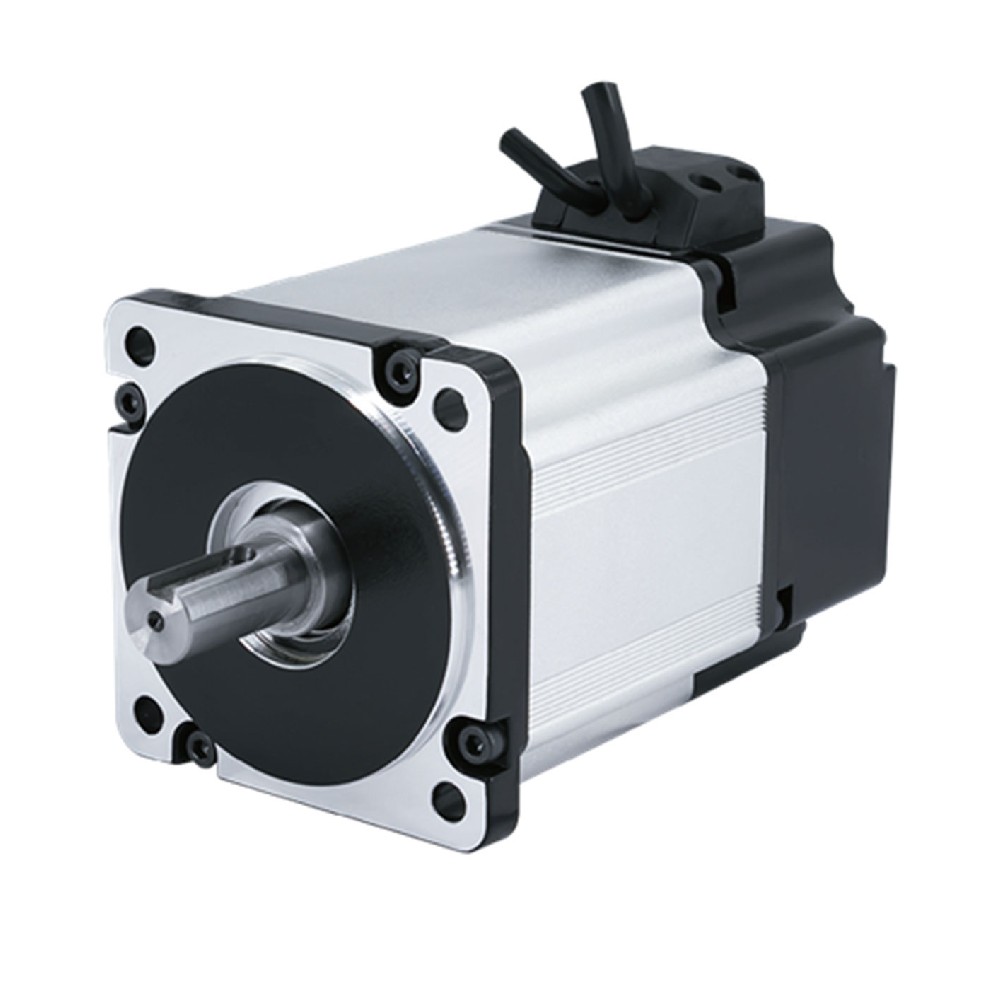
Common Industrial Applications of BLDC Motors
Brushless DC motors are widely used across industries due to their versatility.
Robotics and AGV Systems
BLDC motors provide high efficiency and precise speed control, ideal for autonomous systems.
HVAC Systems
Energy efficiency makes them suitable for fans and compressors.
Medical Equipment
Low noise and reliability are essential in healthcare applications.
Industrial Automation
Used in conveyors, actuators, and CNC systems.
For real-world implementation examples, explore robotic application cases using BLDC motors.
Integration with Gearboxes and Motion Systems
In many applications, BLDC motors are combined with gearboxes to increase torque and improve control.
Planetary gearboxes are commonly used due to their compact size and high efficiency.
Benefits of integration:
Increased torque output
Improved load handling
Reduced motor size requirements
Better speed control
For high-torque compact solutions, consider planetary gearbox motor integration.
Control Systems and Drivers for BLDC Motors
BLDC motors require electronic controllers for operation. These controllers manage commutation, speed, and torque.
Types of Control:
Sensorless control (cost-effective)
Hall sensor-based control
Encoder-based precision control
Key Considerations:
PWM control strategy
Feedback accuracy
Communication protocols
Understanding motor control is essential for system stability and performance optimization.
How to Choose the Right BLDC Motor Supplier
Selecting a reliable supplier is as important as choosing the right motor.
Key Factors:
Engineering support capability
Quality certifications
Production capacity
Lead time reliability
OEM Considerations:
Custom shaft design
Voltage and winding modifications
Integration with drivers and gearboxes
CTA: Get Expert BLDC Motor Support
Looking for the right motors brushless DC for your project?
✔ Custom engineering solutions
✔ OEM/ODM manufacturing
✔ Fast global delivery