

The Comprehensive Buying Guide to Linear Drive Motors
Introduction
Linear drive motors are an essential component in the world of motion control and automation. Understanding their characteristics, applications, and how they compare to other motors can significantly enhance your design and implementation strategies. This guide will provide in-depth insights into linear drive motors, helping engineers and OEM buyers make informed decisions.
What is a Linear Drive Motor?
Linear drive motors convert electrical energy directly into linear motion. Unlike traditional rotary motors, which require additional components (like gears) to achieve linear movement, linear motors operate with higher efficiency and offer precise motion control. These motors are widely used in applications requiring accurate positioning, such as CNC machines, robotics, and automated assembly lines.
Advantages of Linear Drive Motors
Linear drive motors come with several advantages over conventional motor systems:
Direct Linear Motion: Eliminates the need for mechanical components like screws or belts.
High Precision: Capable of achieving very precise movement, with resolution often down to micrometers.
Energy Efficiency: Generally more efficient than rotary motors, especially in high-speed applications.
Reduced Maintenance: Fewer moving parts lead to lower wear and maintenance needs.
Types of Linear Drive Motors
When considering linear drive motors, it's crucial to understand the different types available:
Brushless DC Linear Motors: Known for their high efficiency and reliability, often used in high-speed applications.
Stepper Linear Motors: Provide excellent positioning capabilities and are commonly found in 3D printers and CNC systems.
Servo Linear Motors: Integrate feedback mechanisms to enhance control precision.
For detailed parameter calculations related to linear motor applications, refer to our engineering parameter selection guide.
Applications of Linear Drive Motors
Linear drive motors find extensive use across various industries, including:
Robotics: For movement and manipulation in automation tasks.
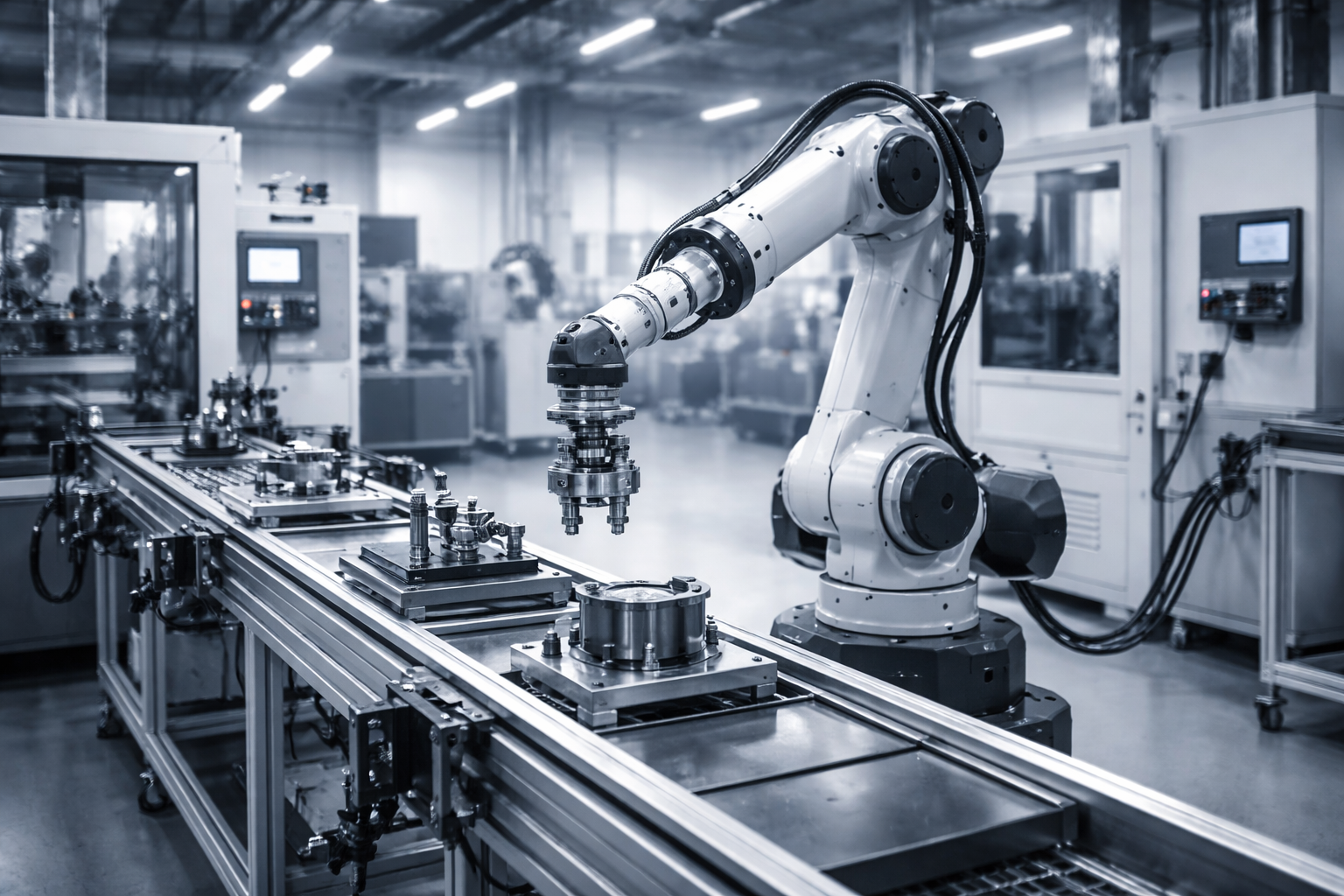
Manufacturing: In conveyor systems and automated assembly lines.
Medical Equipment: Applications in precise medical devices and laboratory automation.
Packaging Machinery: For accurate positioning and sequencing of packaging equipment.
Comparisons: Linear Drive Motors Vs. Traditional Motors
| Feature | Linear Drive Motors | Traditional Motors |
|---|---|---|
| Motion Type | Linear | Rotary |
| Precision | High | Varies |
| Efficiency | Generally higher | Varies |
| Maintenance Requirements | Lower due to fewer parts | Higher due to complexity |
For a deeper look into how linear motors stack up against traditional options like stepper motors and servo motors, check our motion control comparison article.
Selecting the Right Linear Drive Motor
When selecting a linear drive motor, consider the following factors:
Load Requirements: Calculate the maximum load the motor will need to handle.
Speed and Acceleration: Determine the required speed for your application.
Control Methods: Assess how the motor will be controlled, including considerations for integration with existing systems.
Explore our brushless DC motor technology for options that might fit high-speed applications.
Conclusion
Linear drive motors offer a compelling solution for various automation needs, providing energy-efficient, precise, and reliable performance. By understanding their characteristics and applications, you can select the right motor to enhance efficiency in your projects.